Specialist Preventative and Post-Fire Battery Services
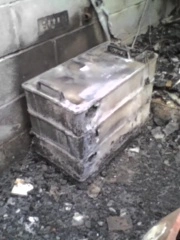
Battery recovery and removal built around condition consequence and control
Our services are designed to reduce ongoing fire risk, toxic exposure, and environmental harm, while supporting compliant incident resolution for residential, commercial, and industrial sites. From a swollen e-bike battery in a workshop to a fire-affected BESS at an insurance claim, FSBR provides one coordinated pathway from assessment to responsible downstream processing.
Identification and assessment of fire-affected batteries
Isolation, stabilisation, and controlled removal
Residual fire and re-ignition risk management
Transport coordination and compliant disposal
Environmental protection and contamination control
Incident documentation for insurers and regulators
The specialist tasks between discovery and compliant disposal
Services are scoped to the battery, scene and transport risk. Larger or higher-risk jobs are planned around access, competent trades, packaging performance and receiving-facility requirements.
Assess
Review battery chemistry, form, damage, heat exposure, electrical risk, concealment and access constraints.
Visual and thermal indicators
Product and UN-number identification
Scene and handling-risk screening
Recover
Recover batteries where conditions allow, using appropriate PPE, tools, exclusion controls and scene coordination.
Fire debris and concealed devices
BESS and large-format modules
Scene integrity and stakeholder liaison
Package
Select the applicable ADG pathway and packaging system after assessing the battery, not merely its intended destination.
P908 or LP904 where applicable
P911 or LP906 for critical risks
Marking, cushioning and gas management
Transport
Prepare the load, records and route for road transport to an authorised receiving or recycling facility.
Dangerous-goods transport documents
Load restraint and pre-departure checks
Process
Coordinate a downstream facility appropriate to the chemistry, condition, packaging and waste classification.
Receiving-facility acceptance confirmed
Environmental outcome recorded
Document
Create a practical record for insurers, property owners, site controllers and procurement teams.
Photographs and weights
Battery recovery record
Transport and disposal evidence
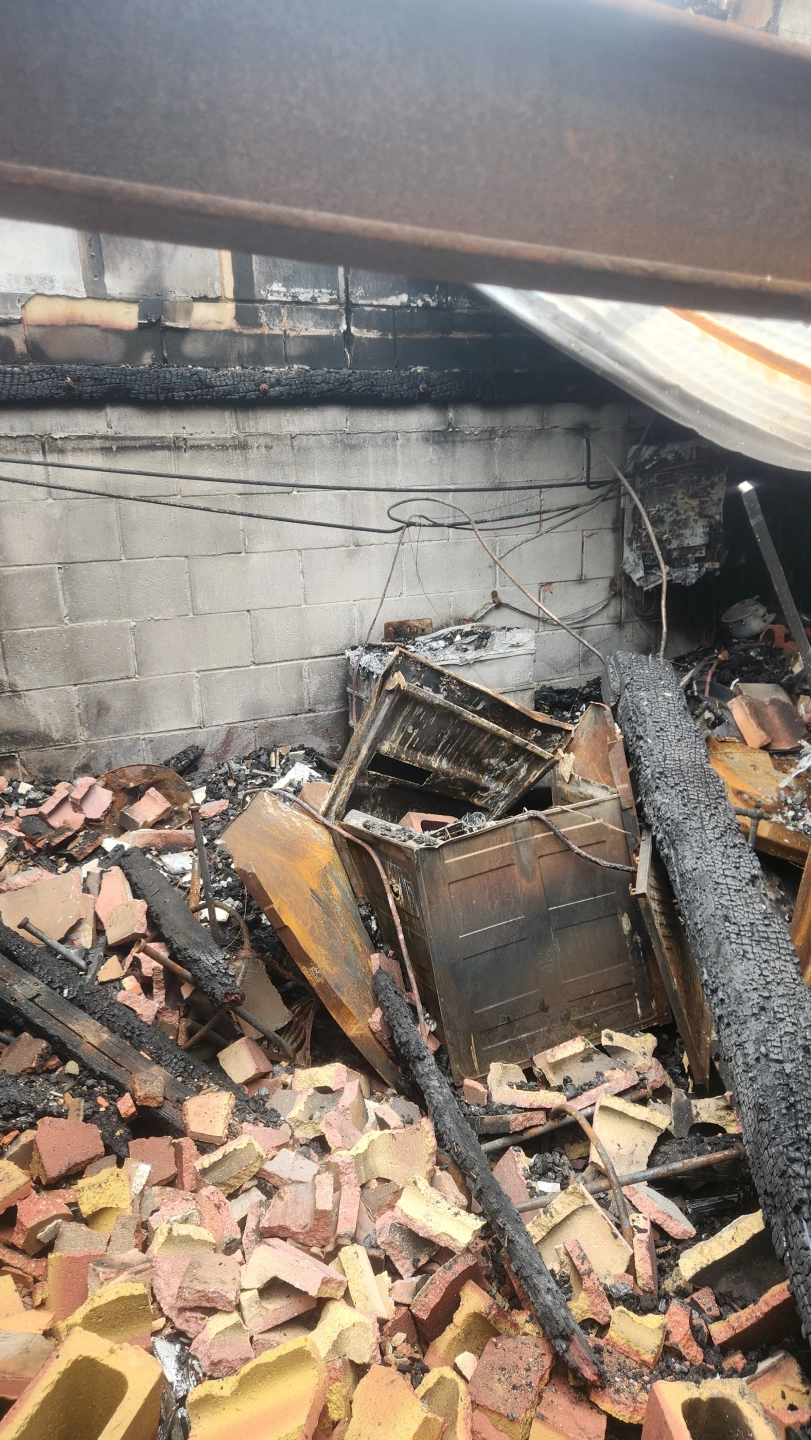
Fire suppression is not the end of the battery problem
Heat, impact, water and internal cell damage can leave batteries unstable after visible fire has been extinguished. Fire debris can also conceal batteries that were not the ignition source but were affected by the incident.
Coordinate with the site controller, investigator, insurer and remediation team.
Review known and suspected battery locations without claiming every battery can be found.
Use thermal, electrical and physical indicators to inform movement and containment.
Recover and package batteries only where structural, electrical and work health and safety conditions allow.
Record limitations created by collapse, burial, destruction, dispersion, access or instability.
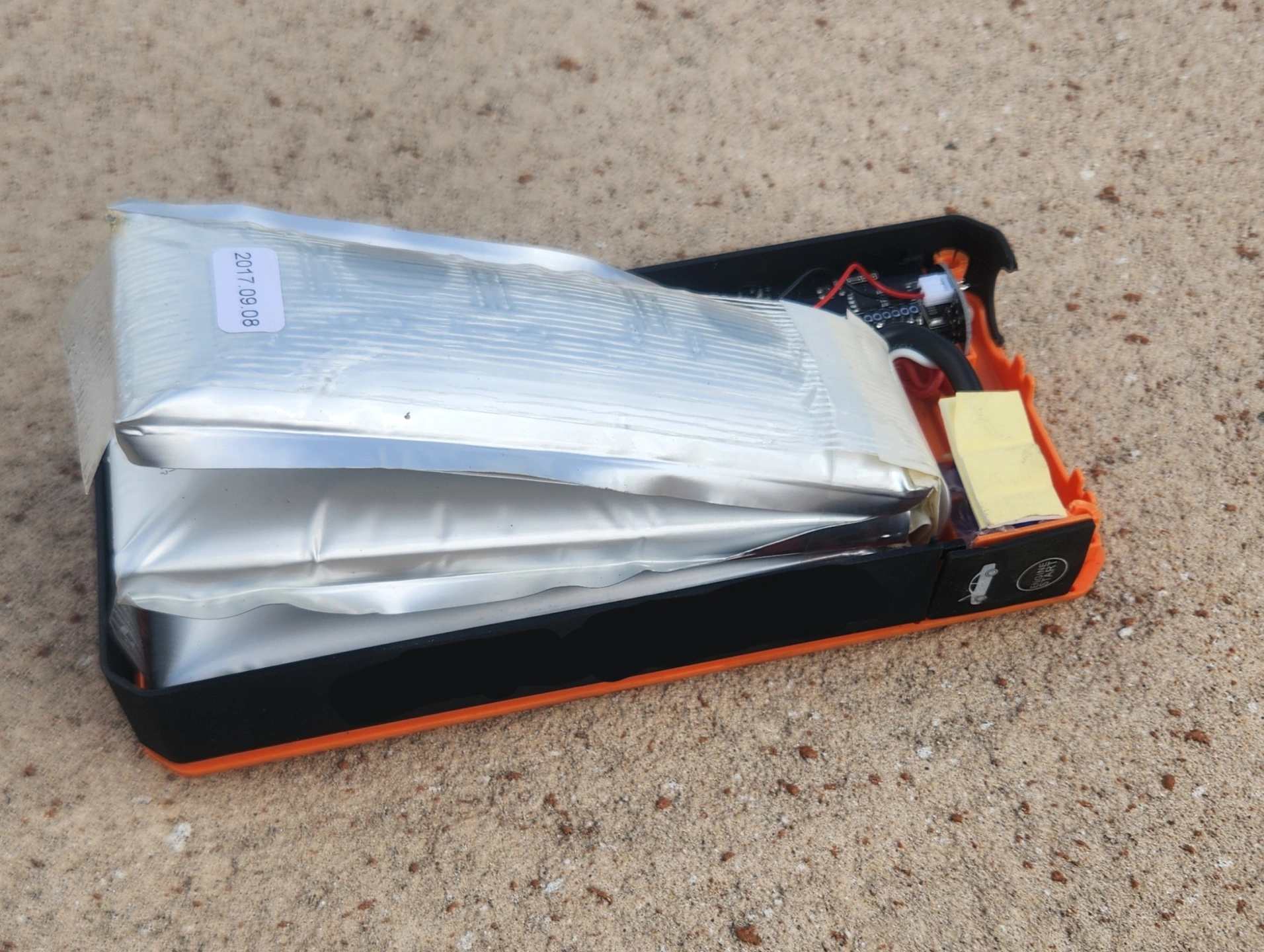
Remove the problem before it becomes a fire scene
FSBR also supports batteries that are swollen, leaking, overheated, impacted, water-exposed, defective, recalled or rejected by normal freight and waste services.
E-bike and e-scooter batteries awaiting warranty or recall action.
Power-tool, laptop, phone, vape and portable equipment batteries.
Residential and commercial BESS modules with suspected damage or fault.
EV modules and packs requiring project-specific removal and transport planning.
Retail, workshop, council and institutional collections.
What Clients Receive
A record of what was done and where the batteries went
Scope
Job brief, known battery systems, stakeholders, site access and constraints.
Evidence
Scene, battery, packaging and load photographs.
Classification
Battery type, UN number, condition and applicable transport pathway.
Movement
Packaging, weights, transport record and chain-of-custody details.
Outcome
Receiving-facility or disposal documentation where applicable.
Specialist recovery not a blanket site safety certificate
FSBR reduces battery-related residual risk within an agreed scope. It does not replace emergency services, structural engineers, licensed electrical trades, fire investigators, remediation contractors or the legal responsibilities of the site controller.
FSBR does not determine origin and cause unless separately appointed and authorised for that purpose.
FSBR does not certify a site as entirely safe, hazard-free or free of all batteries.
Not all batteries can be located where collapse, destruction, burial, dispersion, instability or work health and safety risks prevent access.
Recovery, packaging and transport remain subject to scene conditions, regulatory requirements and receiving-facility acceptance.
Get a quote
For an accurate quote, provide the following information: Describe the battery, its condition and where it is.
Add photographs
Estimated weight
Insurer or claim details
Whether fire services have attended.
FSBR can then screen the job and identify what information is still needed.
Get a quote
For an accurate quote, provide the following information:
Describe the battery, its condition and where it is.
Add photographs
Estimated weight
Insurer or claim details
Whether fire services have attended.
FSBR can then screen the job and identify what information is still needed.